
What is a Magnet?
Understanding Magnets
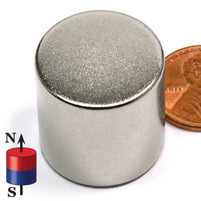
A magnet is a material that creates a magnetic field, an invisible force that can attract ferromagnetic materials like iron, nickel, and cobalt. These materials react to the magnetic field generated by a magnet because of its north and south poles.
Examples of Magnetic Fields
The Earth itself is the largest magnet we know, complete with a magnetic field and both north and south poles. This planetary magnetism is responsible for the orientation of compasses and contributes to the navigation of migratory species.
Types of Magnets
There are various types of magnets, each suited to different applications:
-
Permanent Magnets: These are made from materials that maintain a persistent magnetic field. Popular materials include neodymium, which is extremely powerful, as well as ceramic magnets, alnico magnets (aluminum, nickel, and cobalt), and SmCo magnets (samarium and cobalt). These magnets are ideal for industrial, mechanical, and consumer use.
-
Electromagnets: Created by running an electric current through coils of wire wrapped around a metal core. Unlike permanent magnets, electromagnets lose their magnetic field when the current is removed. They are commonly employed in applications like junkyard cranes for lifting cars.
Neodymium Magnets
One of the most popular types of permanent magnets, neodymium magnets (NdFeB), are engineered from an alloy of neodymium, iron, and boron. These magnets are known for their high coercivity, which means they can withstand demagnetization. They are used in various advanced applications, from loudspeakers to hard drives and electric motors.
What Material Can Be Used for Magnets?
Different materials used for making magnets include:
- Lodestone: A naturally occurring magnet.
- Neodymium Alloys: Used for the strongest permanent magnets.
- Ceramic Magnets: Common for everyday applications due to their affordability and durability.
- Alnico: Known for maintaining magnetic properties under high temperatures.
- SmCo: Used in high-performance applications with temperature stability.
Each material offers unique magnetic properties suited to different applications, based on factors like cost, strength, temperature resistance, and durability.
Temperature and Magnetism
Magnets like those made from neodymium can lose strength above specific temperatures, known as the Curie temperature. For neodymium, this is typically around 175°F. Beyond this point, the magnet begins to lose its power rapidly.
Conclusion
Understanding what magnets are and the materials that can be used in their construction provides insight into the versatile applications of these fascinating tools. From household uses to cutting-edge technology, magnets play an essential role in shaping how we interact with the world.
Categories:
- Electro-magnets
- Permanent magnets
- Neodymium magnets
- Samarium Magnets
- Ceramic Magnets
- AlNiCo Magnets
- Bonded Mangets